
You probably already know that brushing and flossing are important for keeping your smile healthy. But what you eat and drink can also have a significant impact on your teeth.
Certain foods and beverages can increase your risk of cavities, contribute to enamel erosion, or make it easier for plaque to build up. The good news is that you don't have to give up every food you enjoy. Understanding which foods can be harder on your teeth, and how often you consume them, can help you make choices that support your oral health.
At Pinewood Family Dental, we're here to help you protect your smile with both professional dental care and practical at-home habits.
What Makes a Food or Drink Bad for Your Teeth?
There are a few characteristics that can make certain foods and drinks more likely to cause problems for your teeth.
Sugar: Oral bacteria feed on sugars and produce acids that can contribute to tooth decay.
Acidity: Acidic foods and drinks can weaken tooth enamel over time, particularly with frequent exposure.
Stickiness: Sticky foods can cling to your teeth and keep them exposed to sugars for longer periods.
Frequency: Snacking or sipping sugary or acidic foods and drinks repeatedly throughout the day gives your teeth less time between acid exposures.
With that in mind, here are some of the foods and drinks worth enjoying in moderation.
Sugary Candy and Sweets
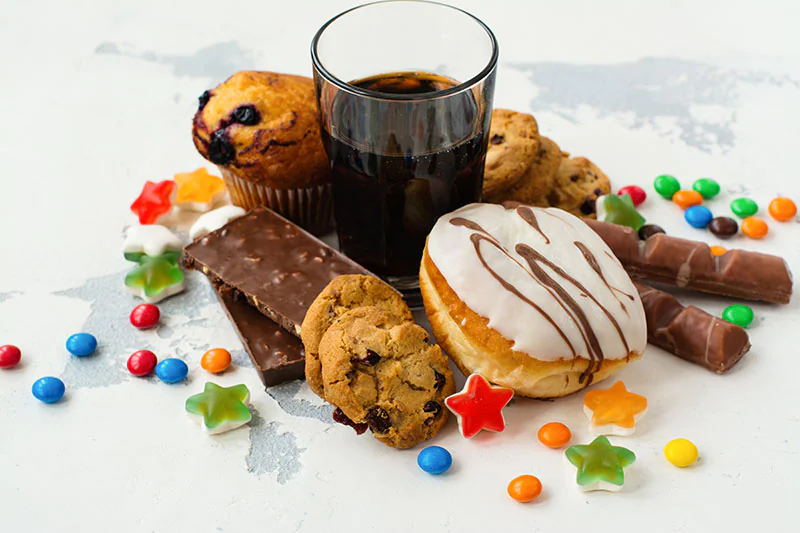
It's no surprise that candy and other sugary treats can contribute to cavities. When sugar remains on your teeth, bacteria in plaque can use it to produce acids that attack your enamel.
Sticky and chewy candies can be especially problematic because they may cling to the grooves and spaces around your teeth.
You don't necessarily have to eliminate sweets from your diet. Instead, consider enjoying them occasionally and with meals rather than frequently snacking on them throughout the day. Drinking water afterward can also help rinse away some of the remaining sugar.
Soda and Other Sugary Drinks
Sugary drinks can expose your teeth to both sugar and, depending on the beverage, acid.
Soda, sweet tea, sports drinks, energy drinks, and other sweetened beverages can contribute to tooth decay when consumed frequently. Slowly sipping them over an extended period can be particularly hard on your teeth because it prolongs the amount of time your mouth is exposed to sugar and acid.
Water is generally a better choice for your teeth. If you do have a sugary or acidic drink, try to consume it with a meal rather than sipping it throughout the day.
Citrus Fruits and Acidic Foods
Oranges, lemons, grapefruits, and other citrus fruits can be nutritious additions to your diet, but their natural acidity can temporarily soften tooth enamel.
You don't need to avoid healthy fruits simply because they're acidic. Instead, be mindful of frequent exposure. Drinking water afterward can help rinse your mouth, and it's best to avoid brushing immediately after consuming highly acidic foods or drinks because enamel may be temporarily softened.
Other acidic beverages, including many soft drinks and sports drinks, can also contribute to enamel erosion with frequent exposure.
Dried Fruit and Sticky Snacks
Dried fruit may seem like a healthy snack, but some varieties are sticky and concentrated in natural sugars. They can cling to teeth and become trapped in grooves or between teeth.
Similarly, sticky snack bars, fruit snacks, and chewy treats can remain in contact with your teeth longer than foods that are quickly eaten and cleared from the mouth.
If you enjoy these foods, rinse your mouth with water afterward and make sure you're cleaning thoroughly between your teeth.
Chips, Crackers, and Refined Carbohydrates
You might not think of chips and crackers as foods that affect your teeth, but some starchy snacks can break down into sugars in your mouth. Small pieces can also become trapped between teeth.
Instead of grazing on these foods throughout the day, consider eating them as part of a meal and cleaning your teeth afterward.
Ice and Other Hard Foods
Some foods aren't necessarily harmful because of sugar or acidity but can pose a physical risk to your teeth.
Chewing on ice, hard candies, or other very hard objects can potentially crack or damage a tooth. Your teeth are strong, but they're not designed to function as tools for breaking or crushing extremely hard materials.
If you enjoy ice-cold drinks, let the ice melt rather than chewing it.
It's Not Just About What You Eat
When it comes to your teeth, how often you eat can matter as much as what you eat.
Every time you consume sugar, the bacteria in plaque can produce acids that affect your enamel. If you're constantly snacking or sipping sweetened drinks throughout the day, your teeth may be exposed to these acids repeatedly.
Try to limit frequent snacking and give your mouth time between meals. When you do snack, choose options that are less likely to contribute to tooth decay, such as cheese, nuts, plain yogurt, or fresh vegetables.
And don't forget about water. Drinking water throughout the day can help rinse away food particles and support your mouth's natural defenses.
How to Keep Your Teeth Clean
Even if you occasionally enjoy foods that aren't ideal for your teeth, a consistent oral hygiene routine can help protect your smile.
Brush Twice a Day
Brush for about two minutes twice a day using a soft-bristled toothbrush and fluoride toothpaste. Fluoride helps strengthen enamel and makes teeth more resistant to acid attacks.
Clean Between Your Teeth
Your toothbrush can't reach every surface between your teeth. Floss or use another interdental cleaning method recommended by your dental team every day to remove plaque and food particles from these areas.
Drink Plenty of Water
Water can help rinse away food particles and sugars while supporting saliva flow. It's generally a better choice for your teeth than frequently drinking sugary or acidic beverages.
Don't Brush Immediately After Acidic Foods
If you've consumed something particularly acidic, give your saliva some time to help neutralize the acids before brushing. Rinsing with water can be a helpful first step.
Don't Skip Your Preventive Dental Cleanings
Your at-home oral hygiene routine is essential, but it can't remove everything. Plaque that isn't removed can harden into tartar, which can't be brushed or flossed away at home.
Regular professional cleanings allow your dental team to remove tartar buildup and check your teeth and gums for signs of potential problems. Your dentist and hygienist can also provide personalized recommendations based on your oral health and habits.
Regular dental visits are an important part of preventing cavities and maintaining a healthy smile.
Enjoy Your Favorite Foods in Moderation
Having a sweet treat or enjoying an acidic food on occasion doesn't automatically mean a dental concern will develop. The key is to be mindful of how frequently your teeth are exposed to sugar and acid and to maintain good oral hygiene.
Choosing water more often, limiting frequent snacking, brushing twice a day, cleaning between your teeth, and keeping up with professional dental cleanings can all help protect your smile.
At Pinewood Family Dental, we're here to help your family make informed decisions about oral health. If you have questions about your diet, cavity prevention, or your home-care routine, we're happy to help.
Ready for a healthier smile? Contact Pinewood Family Dental to schedule your next dental cleaning and examination in Marysville!


